
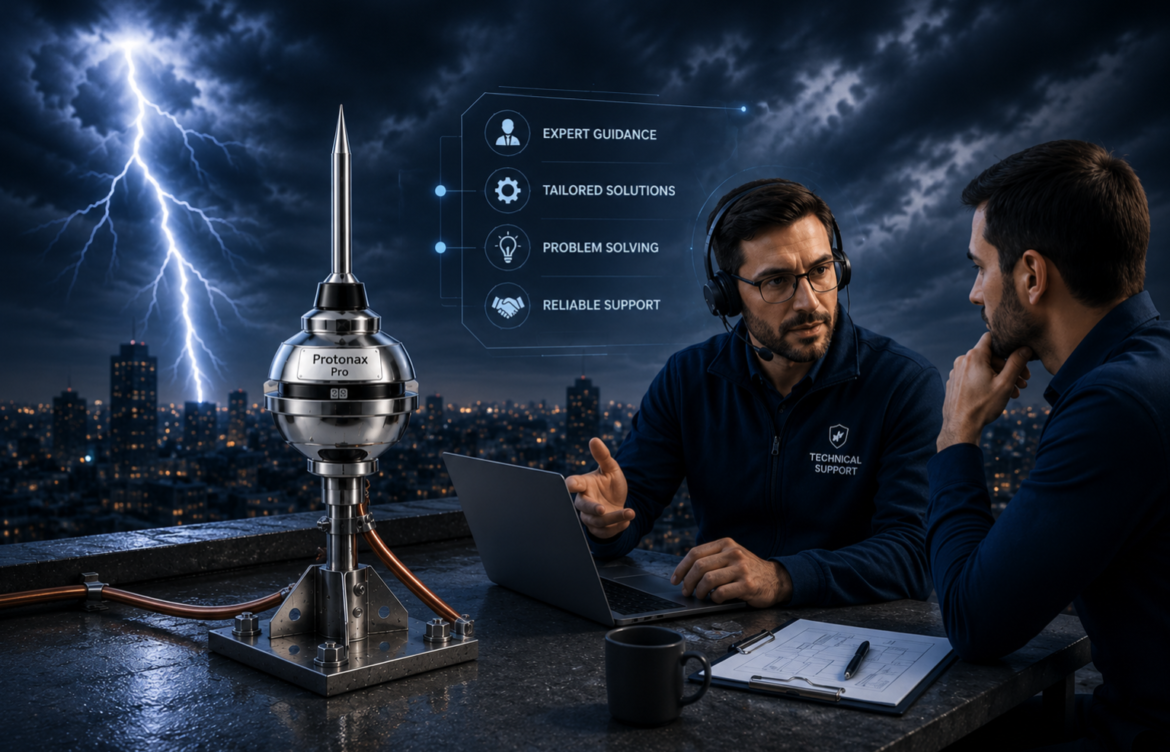
Why We Use Lightning Arresters and Lightning Protection
Lightning is one of nature’s most powerful and unpredictable forces. Every year, millions of lightning strikes occur across the globe, causing severe damage to buildings, electrical equipment, industrial facilities, communication networks, and even human lives. While lightning cannot be prevented, its destructive effects can be significantly reduced with proper lightning protection systems and lightning arresters.
Whether it’s a residential home, commercial building, manufacturing plant, telecommunications tower, hospital, or power substation, investing in effective lightning protection is essential. A well-designed protection system not only minimizes physical damage but also prevents costly downtime, protects valuable electronic equipment, and ensures the safety of occupants.
In this article, we’ll explore why lightning arresters and lightning protection systems are necessary, how they work, their benefits, and why every property owner should consider installing them.
Understanding Lightning
Lightning is a massive electrical discharge that occurs between clouds, between clouds and the ground, or within clouds themselves. A single lightning strike can carry hundreds of millions of volts and tens of thousands of amperes of current. The temperature of a lightning channel can exceed 30,000°C, making it hotter than the surface of the sun.
When lightning strikes a building or nearby electrical infrastructure, the immense electrical energy seeks the easiest path to the ground. Without a controlled route, this energy can travel through electrical wiring, plumbing, structural steel, communication cables, or electronic equipment, causing devastating consequences.
What Is a Lightning Arrester?
A lightning arrester is a protective device designed to safeguard electrical systems from high-voltage surges caused by lightning strikes or switching operations. It diverts excessive electrical energy safely to the ground before it can damage equipment or insulation.
Lightning arresters are commonly installed on:
- Power transmission lines
- Electrical substations
- Distribution transformers
- Industrial plants
- Commercial buildings
- Solar power systems
- Wind energy installations
- Telecommunication towers
The primary function of a lightning arrester is to limit transient overvoltages and prevent damage to electrical equipment by providing a low-resistance path to earth.
What Is a Lightning Protection System?
A lightning protection system (LPS) is a complete network of components designed to intercept lightning strikes and safely conduct the electrical current into the ground.
A typical lightning protection system includes:
- Air terminals (lightning rods)
- Down conductors
- Grounding electrodes
- Bonding conductors
- Surge protection devices
- Lightning arresters
Together, these components create a safe path for lightning energy while protecting the structure and connected electrical systems.
Why Do We Need Lightning Protection?
- Protecting Human Life
The most important reason for installing lightning protection is protecting people. A direct lightning strike can cause severe injuries or fatalities. Buildings without proper protection expose occupants to significant risks, especially during thunderstorms.
Proper grounding and lightning protection systems greatly reduce the chances of dangerous electrical currents entering occupied spaces.
- Preventing Fire Hazards
Lightning strikes generate enormous heat that can ignite combustible materials such as wooden structures, roofing materials, insulation, or stored chemicals.
Industrial facilities and warehouses storing flammable materials face an even greater risk. Lightning protection systems safely redirect the energy into the ground, minimizing the possibility of fires.
- Protecting Electrical Equipment
Modern buildings rely heavily on sensitive electronics including:
- Computers
- Servers
- Security systems
- HVAC controls
- Industrial automation equipment
- Medical devices
- Communication equipment
Even a nearby lightning strike can induce voltage surges capable of damaging these systems. Lightning arresters and surge protection devices absorb or divert these surges before they reach critical equipment.
- Reducing Downtime
Electrical failures caused by lightning can halt production lines, interrupt business operations, and disable essential services.
For industries, hospitals, and data centers, even a few hours of downtime can result in significant financial losses. Lightning protection helps maintain operational continuity by reducing equipment failures.
- Protecting Expensive Assets
Replacing transformers, switchgear, generators, communication equipment, and control systems can be extremely costly.
Lightning protection represents a relatively small investment compared to the potential repair and replacement expenses following a lightning strike.
- Ensuring Reliable Power Supply
Power utilities use lightning arresters extensively because transmission and distribution lines are frequently exposed to lightning.
Without arresters, lightning-induced surges could damage transformers, circuit breakers, and substations, leading to widespread power outages.
By installing lightning arresters at strategic points, utilities improve system reliability and reduce service interruptions.
How Lightning Arresters Work
Under normal operating conditions, a lightning arrester behaves like an insulator and does not conduct electricity.
When a high-voltage surge caused by lightning occurs:
- The arrester detects the sudden voltage increase.
- Its internal resistance rapidly decreases.
- The surge current is diverted directly to the grounding system.
- Once the surge passes, the arrester returns to its insulating state.
This rapid response protects downstream equipment from dangerous voltage spikes.
Industries That Require Lightning Protection
Although every structure can benefit from lightning protection, some industries require it more urgently.
These include:
- Manufacturing plants
- Oil and gas facilities
- Chemical processing plants
- Hospitals
- Airports
- Schools
- Data centers
- Telecommunication facilities
- Renewable energy farms
- Water treatment plants
- Electrical substations
Any location with valuable equipment, critical infrastructure, or high occupancy should prioritize lightning protection.
Benefits of Installing Lightning Protection Systems
Implementing a properly designed lightning protection system offers numerous long-term benefits.
These include:
- Enhanced safety for occupants
- Reduced risk of electrical fires
- Protection for sensitive electronics
- Lower maintenance costs
- Improved equipment lifespan
- Reduced insurance claims
- Increased business continuity
- Better compliance with safety standards
- Greater confidence during severe weather events
These advantages make lightning protection a smart investment for both residential and commercial properties.
Importance of Proper Grounding
A lightning protection system is only as effective as its grounding system.
Grounding provides a low-resistance path that safely dissipates lightning energy into the earth. Poor grounding increases resistance, allowing dangerous voltages to develop within the structure.
Proper grounding requires:
- High-quality grounding electrodes
- Adequate conductor sizing
- Secure electrical connections
- Low earth resistance
- Regular testing and maintenance
Routine inspections ensure the grounding system continues to perform effectively over time.
Maintenance of Lightning Protection Systems
Installing a lightning protection system is not enough. Regular maintenance ensures continued reliability.
Maintenance should include:
- Visual inspection of air terminals
- Checking conductor integrity
- Testing grounding resistance
- Inspecting lightning arresters
- Verifying surge protection devices
- Ensuring all electrical connections remain secure
Periodic inspections help identify corrosion, loose connections, or physical damage before they become serious problems.
Choosing the Right Lightning Protection Solution
Every building has unique requirements based on its location, height, construction materials, electrical systems, and environmental conditions.
A professional risk assessment should consider:
- Local lightning activity
- Building size and design
- Occupancy levels
- Critical equipment
- Electrical infrastructure
- Industry regulations
- Future expansion plans
Selecting high-quality components and following recognised installation standards ensures maximum protection and long-term reliability.
Conclusion
Lightning is an unavoidable natural phenomenon, but its destructive impact can be effectively managed through properly designed lightning protection systems and lightning arresters. These systems provide a safe path for lightning energy, protecting people, buildings, electrical infrastructure, and valuable equipment from potentially catastrophic damage.
From residential homes to industrial facilities, the benefits of lightning protection far outweigh the cost of installation. Reduced equipment damage, improved safety, minimized downtime, lower maintenance expenses, and greater operational reliability all contribute to long-term value.
As our dependence on sophisticated electrical and electronic systems continues to grow, protecting them from lightning-induced surges becomes increasingly important. Investing in a reliable lightning protection system is not merely a precaution—it is an essential component of modern infrastructure, helping ensure safety, resilience, and uninterrupted operation for years to come.