
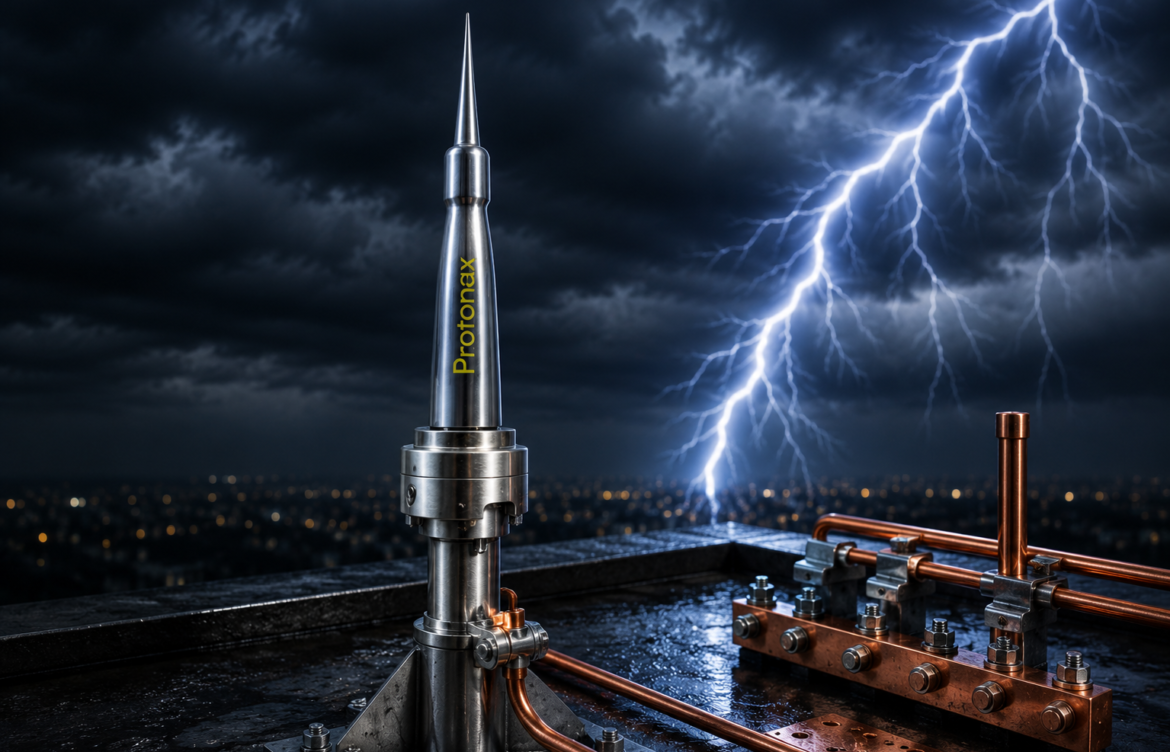
What is a Lightning Arrester and how does it work?
Electrical systems are designed to operate safely and reliably under normal voltage conditions. However, sudden voltage surges caused by lightning strikes, switching operations, or other electrical disturbances can damage sensitive equipment and interrupt operations. A lightning arrester is an important protective device used to limit these dangerous overvoltages and help safeguard electrical installations.
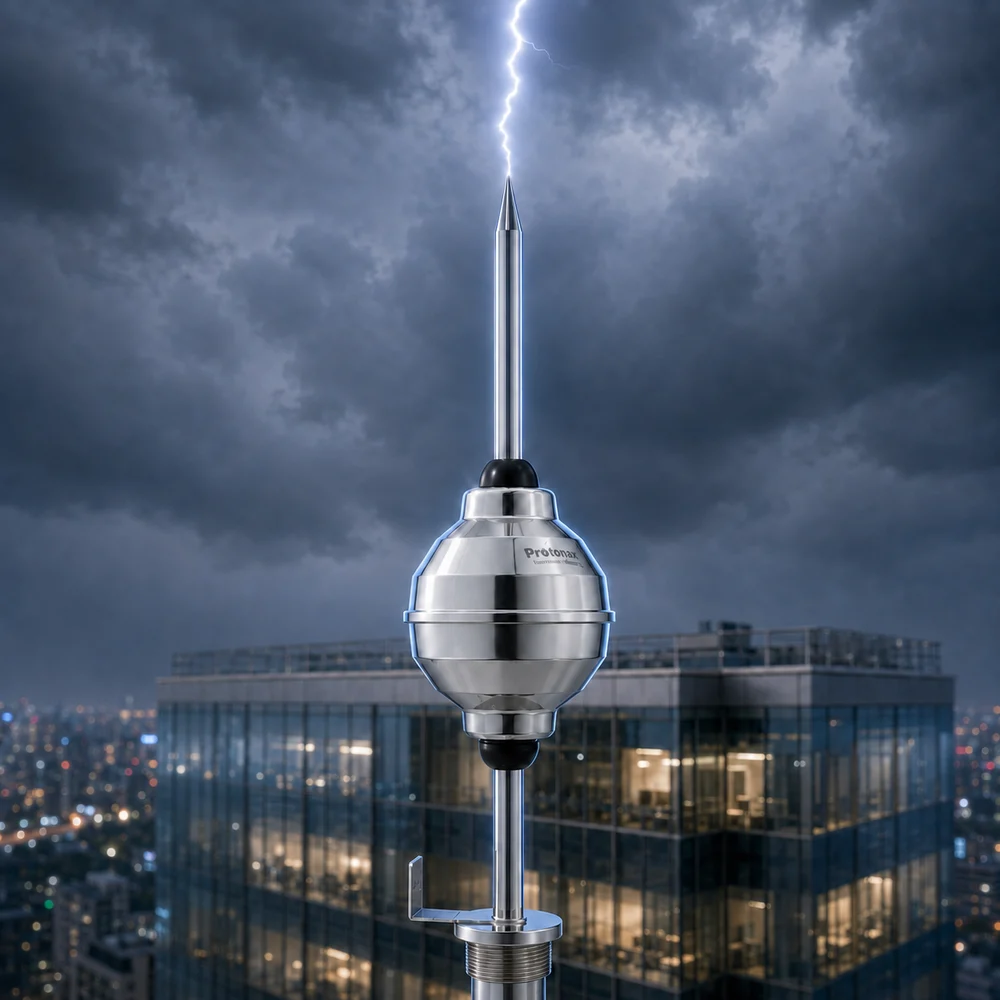
For homes, commercial buildings, industrial facilities, substations, and other electrical applications, selecting an appropriate protection solution is essential. Products such as a Protonax lightning arrester can be considered as part of a properly designed surge protection system, depending on the requirements of the installation.
What is a Lightning Arrester?
A lightning arrester, also commonly referred to as a surge arrester, is a protective electrical device that helps protect equipment from transient overvoltages. It is generally connected between an electrical conductor and earth. Under normal operating conditions, the arrester remains effectively non-conductive. When a high-voltage surge occurs, it provides a controlled path for the excess energy to discharge safely toward the ground.
The primary purpose of a lightning arrester is not to stop lightning itself. Instead, it helps limit the voltage that reaches connected electrical equipment. This can reduce the risk of insulation breakdown, equipment failure, fire hazards, and costly downtime.
Modern surge arresters commonly use metal-oxide varistor (MOV) technology, particularly zinc-oxide-based components. These materials have highly nonlinear electrical characteristics, allowing them to behave differently during normal voltage conditions and during a surge.
How Does a Lightning Arrester Work?
The working principle of a lightning arrester is relatively straightforward.
During normal operation, the voltage across the arrester remains within its designed range. The arrester presents a very high resistance, so only a small leakage current flows through it. The electrical system can therefore operate normally without significant interference from the protective device.
When a lightning strike or switching event produces a sudden overvoltage, the electrical characteristics of the arrester change rapidly. Its resistance decreases significantly, creating a low-impedance path for the surge current. The excessive energy is diverted toward the grounding system instead of being allowed to pass through sensitive equipment.
After the transient surge has passed, the arrester returns to its high-resistance state. In this way, the device provides protection automatically whenever a potentially damaging overvoltage occurs.
Why is a Lightning Arrester Important?
Electrical and electronic equipment can be vulnerable to even short-duration voltage spikes. Transformers, motors, generators, control panels, communication systems, computers, and other devices may contain insulation and components that can be damaged by excessive voltage.
A lightning arrester provides an important layer of protection by limiting these transient voltages. Its benefits can include:
- Protecting electrical and electronic equipment from transient overvoltages
- Reducing the possibility of insulation damage
- Supporting reliable operation of electrical systems
- Minimizing unexpected equipment failures
- Helping reduce maintenance and replacement costs
- Improving overall electrical safety and system protection
For industrial and commercial installations, effective surge protection can be particularly important because a single electrical disturbance may affect multiple interconnected systems.
Where is a Lightning Arrester Installed?
Lightning arresters can be installed at various points in an electrical network depending on the system design and protection requirements. They may be used near transformers, distribution equipment, incoming power supplies, electrical panels, substations, and other locations where equipment requires protection against transient overvoltage.
The installation location is important because the arrester should be positioned to provide an effective protective path while keeping the connection to the grounding system suitable for the application.
A qualified electrical professional should determine the appropriate installation arrangement, conductor configuration, grounding method, and protective device ratings for a particular system.
Choosing the Right Lightning Arrester
Selecting a lightning arrester should not be based only on its physical size or current rating. Several electrical and environmental factors need to be considered.
Important factors include the system’s operating voltage, maximum continuous operating voltage, expected surge conditions, discharge-current requirements, insulation coordination, grounding arrangement, installation environment, and applicable standards.
The arrester should be compatible with the electrical network and coordinated with the equipment it is intended to protect. Choosing an incorrectly rated device may reduce the effectiveness of the protection system.
When evaluating products such as a Protonax lightning arrester, users should review the manufacturer’s technical specifications, ratings, installation requirements, applicable standards, and recommended operating conditions. Professional guidance can also help ensure that the selected arrester is suitable for the intended application.
Lightning Arrester vs. Lightning Rod
Lightning arresters and lightning rods are related to lightning protection, but they serve different purposes.
A lightning rod or air terminal is primarily used as part of a building’s external lightning protection system. It provides a preferred point for a lightning discharge and helps direct the current toward an appropriate grounding system.
A lightning arrester, on the other hand, is installed within or alongside an electrical system to limit transient overvoltages and protect connected electrical equipment.
A comprehensive protection strategy may require both external lightning protection and internal surge protection, depending on the building, electrical network, risk level, and applicable standards.
Maintenance and Inspection
Although modern lightning arresters are designed for reliable operation, periodic inspection is important. Environmental exposure, repeated surge events, contamination, aging, or electrical faults can affect the condition of protective equipment.
Inspection procedures may include checking physical condition, connections, grounding arrangements, signs of overheating, and any available indication or monitoring features. Maintenance should always follow the manufacturer’s recommendations and relevant electrical safety procedures.
Conclusion
A lightning arrester is a vital component of electrical surge protection. It works by remaining highly resistant during normal operation and rapidly providing a path for excessive surge current when dangerous overvoltage occurs. By limiting transient voltages, it helps protect valuable electrical equipment and supports reliable system operation.
Whether you are designing a new electrical installation or upgrading an existing protection system, selecting the right arrester is essential. A Protonax lightning arrester may be evaluated alongside other suitable protection solutions based on voltage rating, surge requirements, installation conditions, and manufacturer specifications.
Proper selection, installation, grounding, and periodic inspection are all important for achieving effective surge protection. With the right protection strategy, businesses and facility owners can reduce the potential impact of lightning and electrical surges and create a safer, more dependable electrical environment.